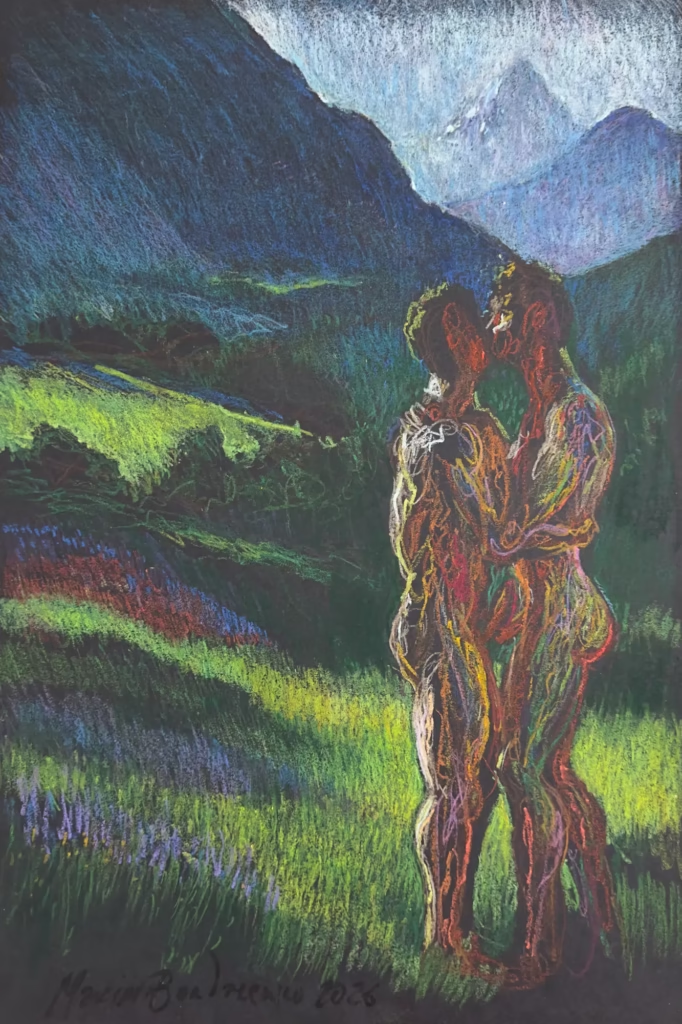
Kissing Mountains makes its first decision in scale. The valley is enormous: a dark mass of mountain on the left, distant peaks on the right, and a wide sweep of grass cut by slashes of sunlight. Inside that space, two nude men stand close enough to merge—kissing, hands set on jaw and neck, bodies aligned in a steady vertical. The scene doesn’t need props or narrative. The kiss is the event.
The second decision is mark-making. The figures are drawn less as “modeled flesh” and more as layered energy. Bright outlines—white, yellow, orange—race around shoulders, ribs, thighs. Warm reds and browns sit inside those lines like heat. The black paper keeps the edges sharp; it also makes the bodies glow against the field, as if they carry their own light source.
Kissing Mountains, 2026. Oil pastel on black paper. 18 × 24 in. (45.7 × 61 cm)
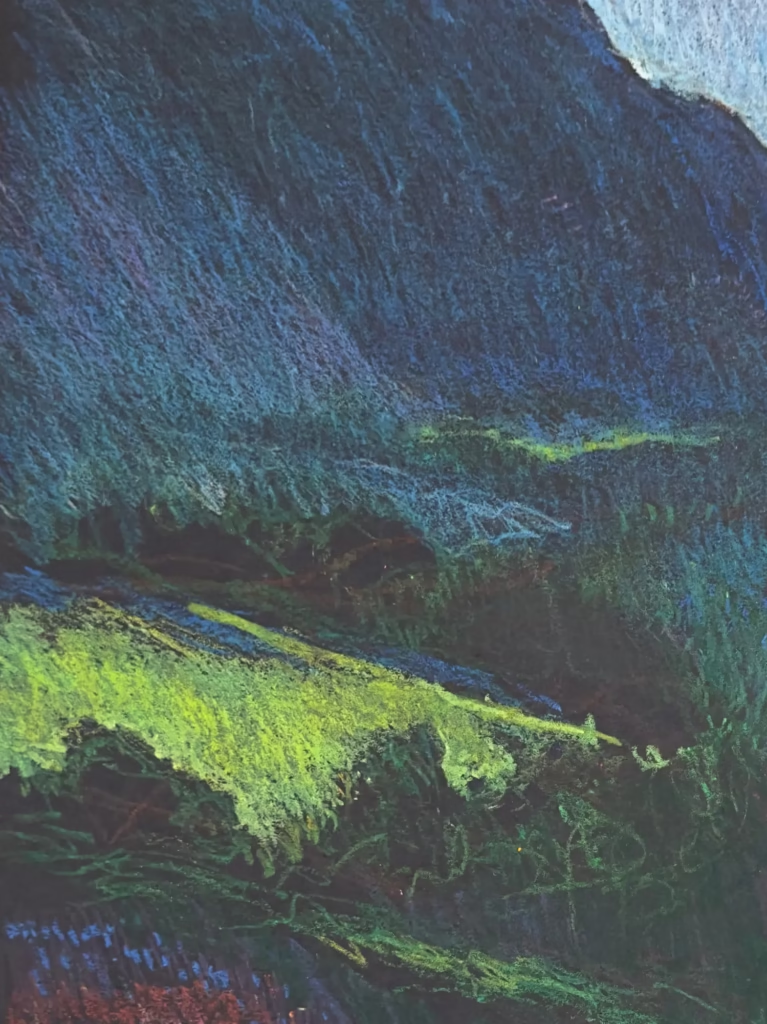
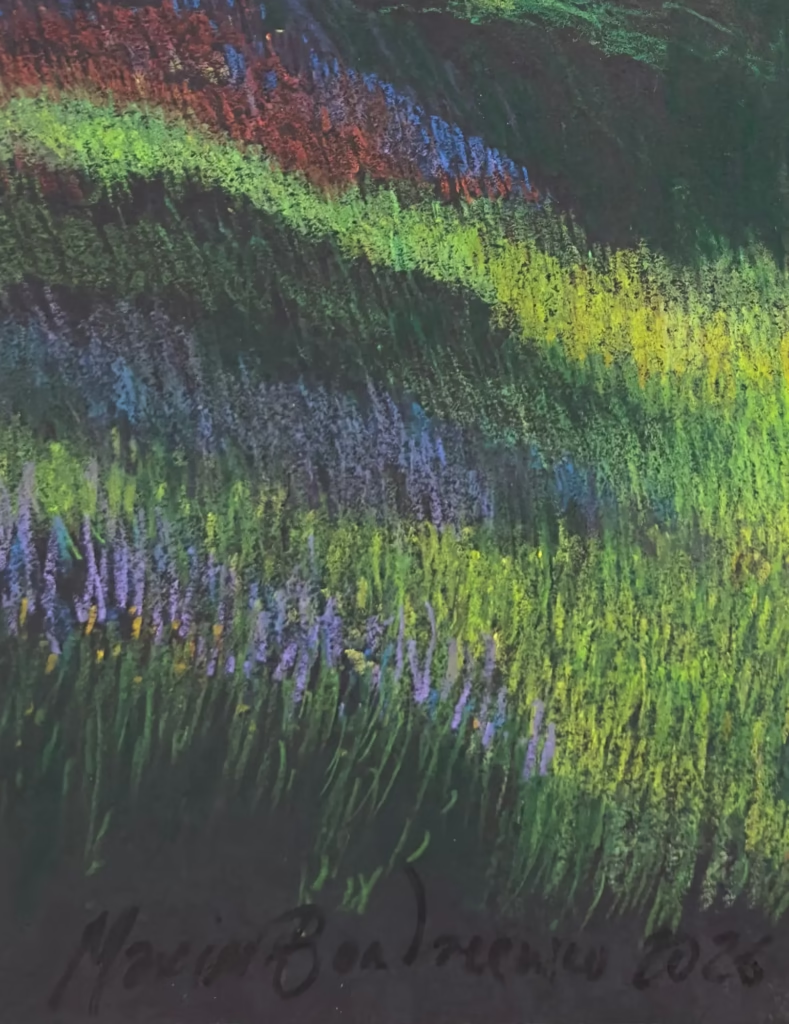
The landscape stays rough and tactile rather than panoramic. The mountain face on the left is built from dark blues and greens, worked in dense strokes that feel like grain or wind. The distant peaks are cooler—lavender and blue—softened by a pale sky. Across the grass, the light breaks in bands: deep green, then sudden yellow-green, then back to shadow. Those bands behave like a rhythm under the figures’ stillness.
The title doesn’t decorate the image; it clarifies its structure. The mountains in the distance lean toward each other the way the couple does, so the kiss reads as part of the terrain rather than an exception to it. Intimacy becomes a scale model of the landscape—close contact set against distance, warmth set against cold rock.
Kissing Mountains, (detail), 2026.
Kissing Mountains, (detail), 2026.
What lasts is the contrast: a private act drawn in loud color, held inside a very large, indifferent world.
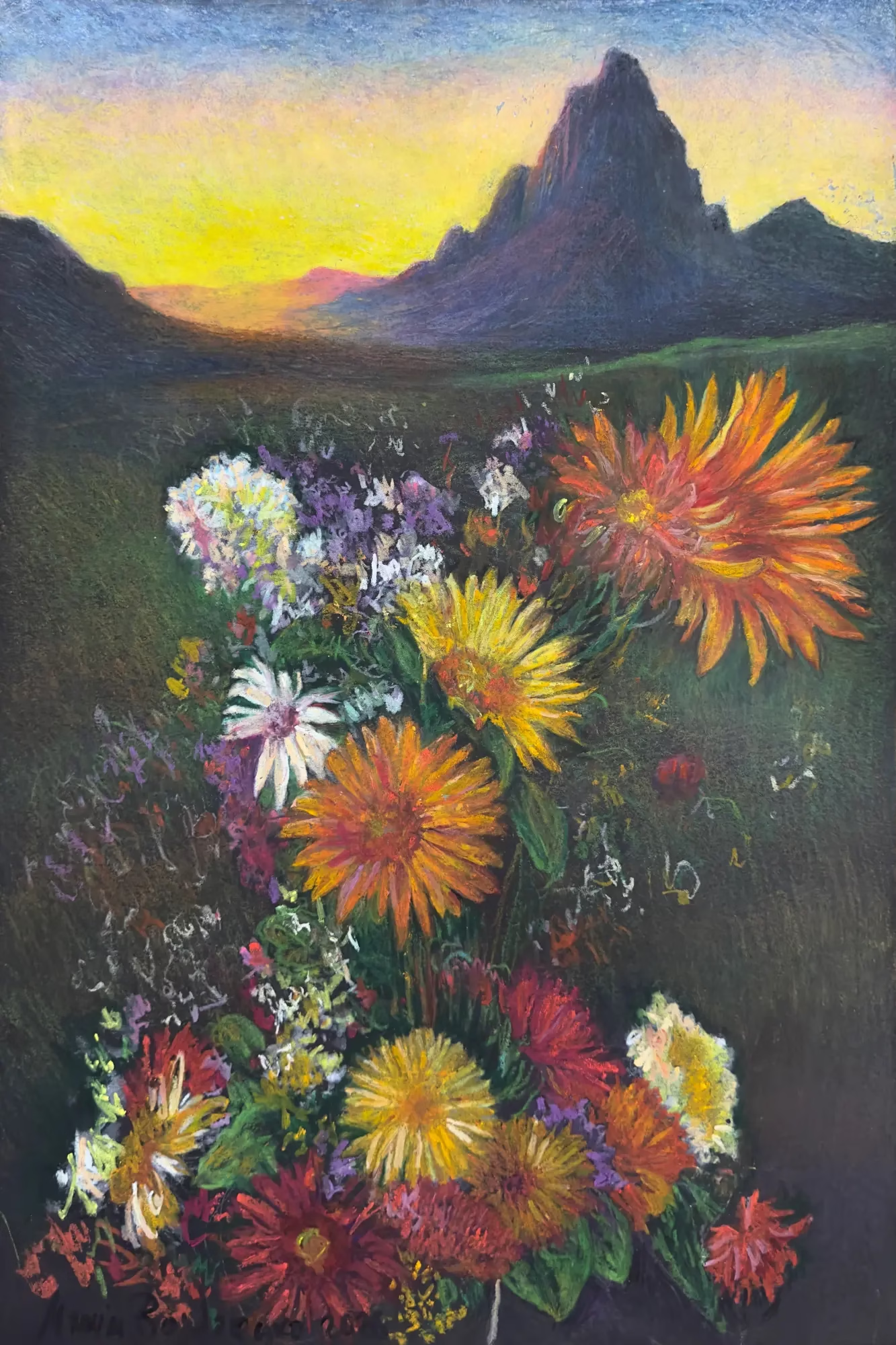
Kissing Mountains, (detail), 2026.
What lasts is the contrast: a private act drawn in loud color, held inside a very large, indifferent world.