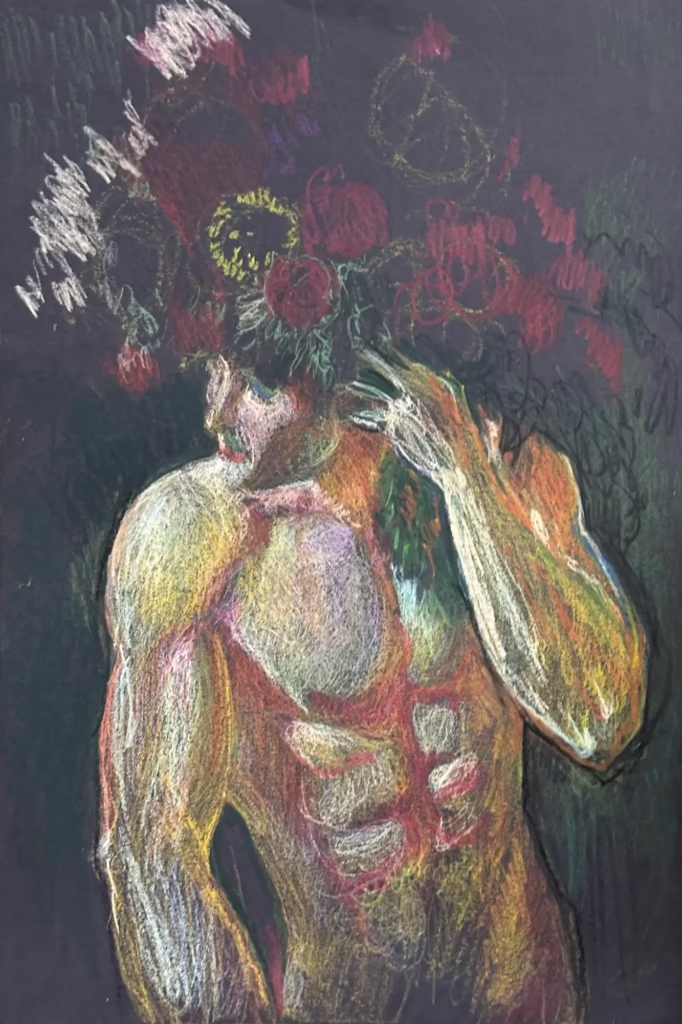
Inner Echo is built from two competing densities: the clean solidity of the torso and the chaotic fullness of the bouquet. The figure is rendered with deliberate structure—broad shoulders, defined chest, abdomen articulated in layered pastel. Highlights are rubbed into the black paper until they read as light caught on skin. Warm reds trace edges and contours, giving the body heat and presence without smoothing it into idealized polish.
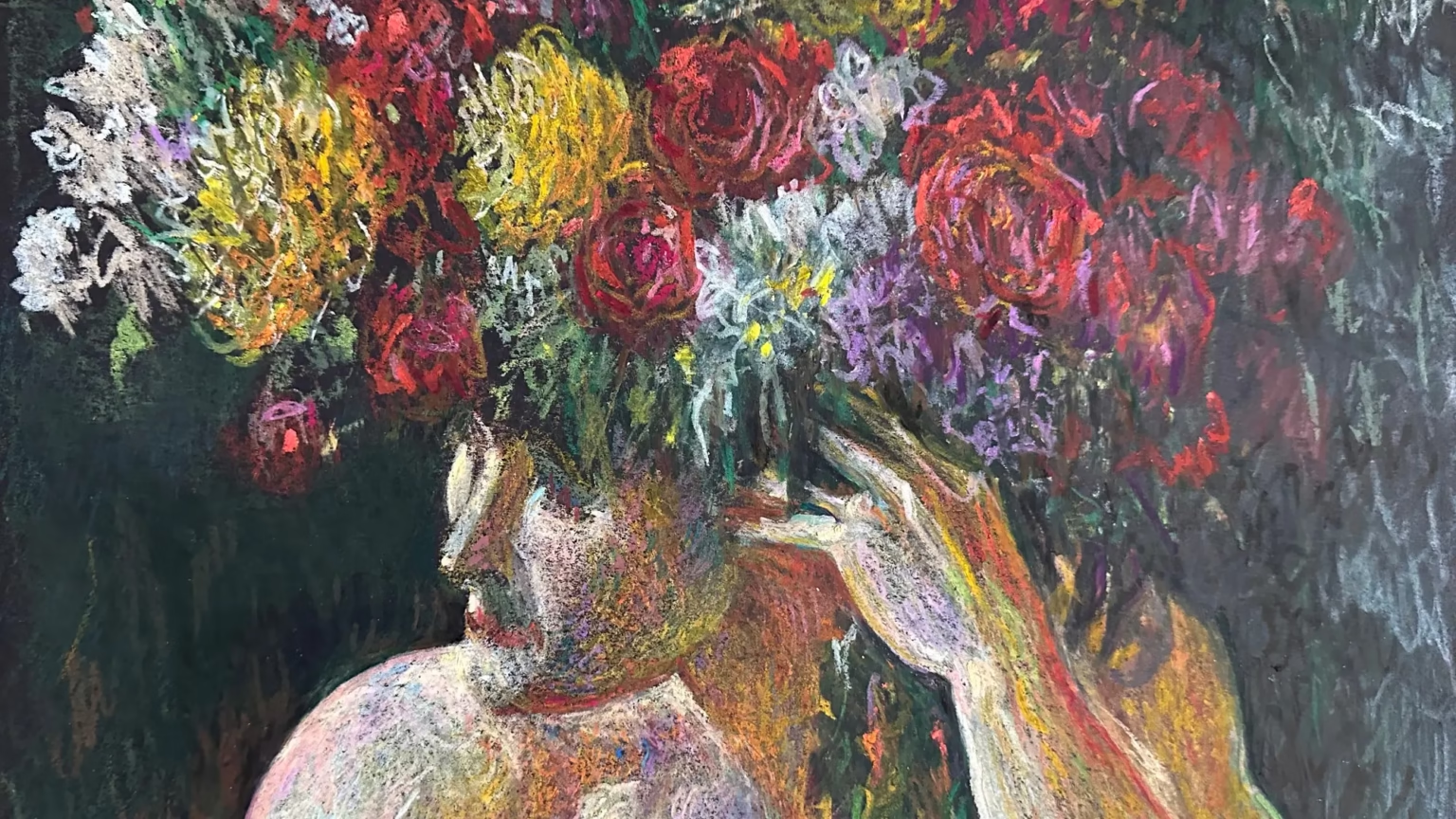
Then the head is crowned with flowers. The bouquet is thick, crowded, and aggressively colorful: reds and yellows cluster like roses and marigolds; whites and purples flare at the edges; greens stitch it together. The marks are fast and looping, less botanical description than accumulation. The bouquet becomes an event rather than an accessory.
The gesture is the hinge. The raised hand—fingers near the ear, touching the base of the bouquet—suggests adjustment, but it also reads like listening. As if the flowers are a headset, a hive, a loud thought. That ambiguity is earned by the drawing itself: the bouquet is so dense it could be smell, sound, or pressure. The title, Inner Echo, doesn’t force a story; it frames the sensation. An echo is repetition without origin, a return you can’t fully control.
The flowers aren’t just decoration; they become sound, weight, interference, a private signal. The title fits without explaining: an “echo” isn’t a message, it’s what remains after the message.
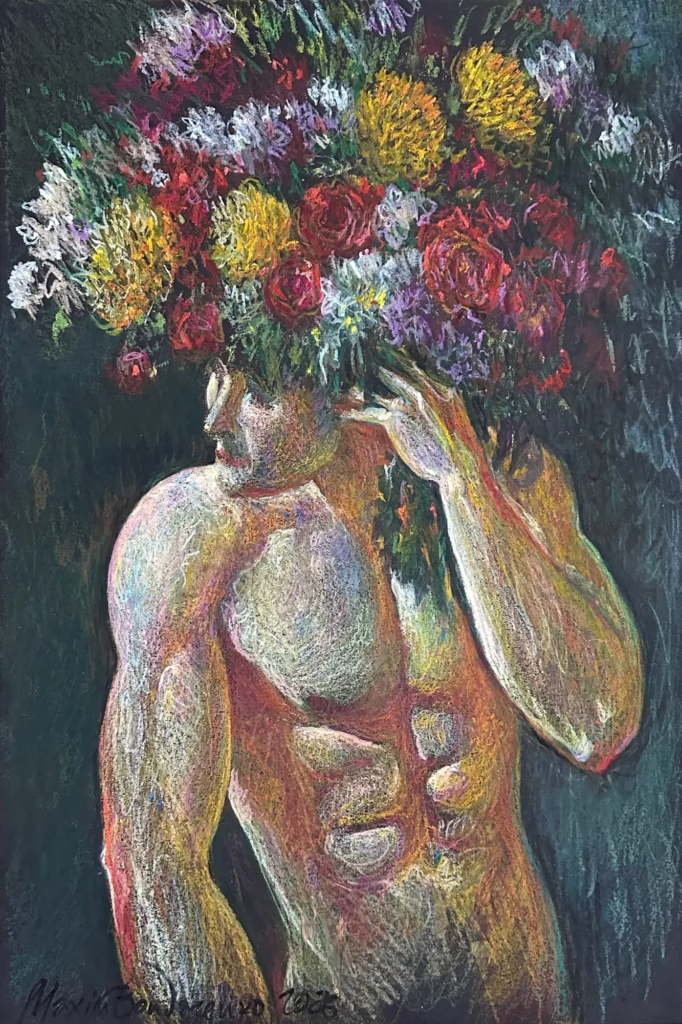
Oil pastel on black paper.
12 × 18 in. (30.5 × 45.7 cm)
Color does the work. The torso glows with chalky whites, golds, and reds; the bouquet flashes with saturated blooms; the black paper holds everything in place. Inner Echo is intimate and strange in the best way: a body present, a face turned off, and a crown of flowers that feels like thought made visible.