


2023. Oil on canvas. 18″ x 24″ (46 cm. x 61 cm.)
Available for purchase
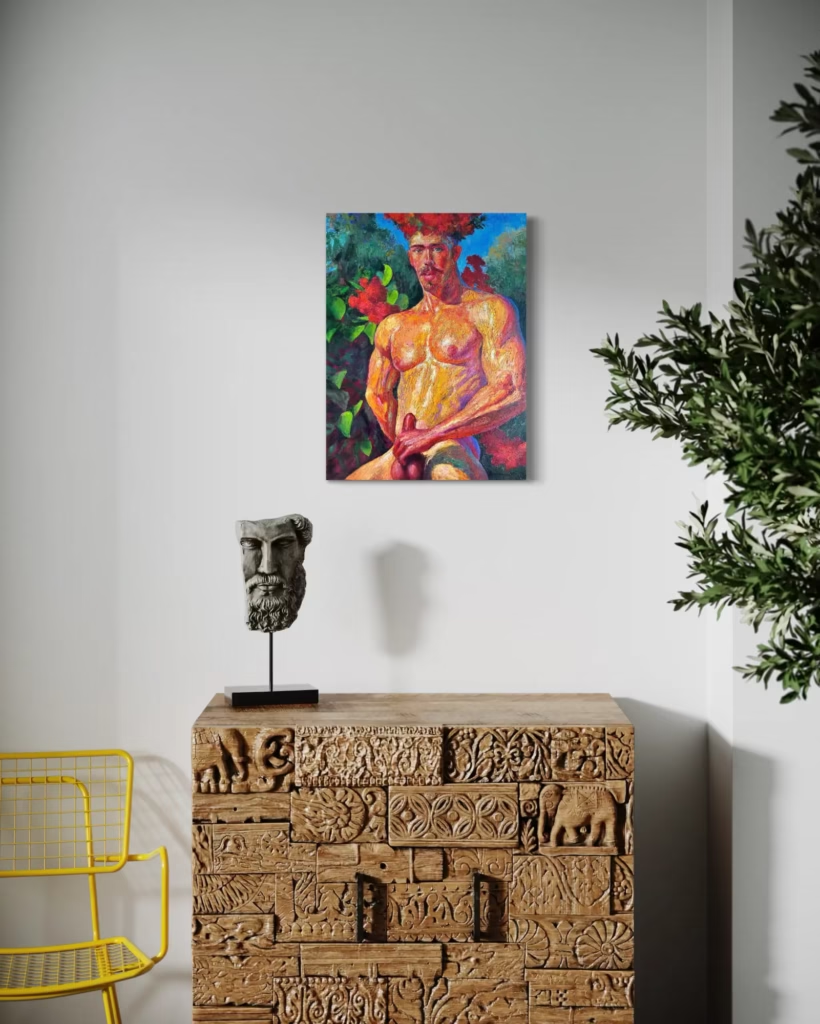
The painting Rhododendron showcases a naked athlete surrounded by the beauty of a sunny garden of red flowers. The subject’s sleek, glossy physique is adorned with a crown of red flowers, adding to the overall aesthetic of the piece. The use of the rhododendron not only adds to the visual appeal of the painting, but also serves as a double entendre, adding an extra layer of meaning to the artwork. The seductive gaze of the male figure invites the viewer to contemplate on the harmony between the male form and nature. The use of light and color in the painting effectively captures the sensual atmosphere, creating a captivating visual experience.
The painting announces itself through its handling. Where pointillism can keep skin vibrating and unstable, this surface does the opposite: it chooses firmness. The body is built from larger, more continuous passages of color—warm yellows and oranges across the chest and abdomen, with cooler violets and blues tightening the contours. The result is generalized realism: anatomical structure stays readable, but the image refuses the “optical flicker” that would make it feel airy or provisional.
That decision changes the emotional register. The figure doesn’t appear as a shifting illusion; he appears as a stated presence. The wreath and surrounding flowers support that stance. They are not decorative mist; they are thick, red, and weighty, with leaves that hold their dark greens rather than dissolving into background.
The black-to-deep-purple painted edges complete the intention. They tighten the image like a border, keeping the heat of the body and the red blooms from spilling into vagueness.
Only a couple years after the work was finished it occurred to me that some of its visual and, pardon me, linguistic anchors to echo to the famous Petrov-Vodkin’s “Red Horse Bathing”.And that, as a subconscious reference, clarifies the icon-like structure and palette logic. The dominance of open red, blue, and yellow—and the insistence that these colors remain substantial—reads as a practical homage. It also aligns with icon thinking: the body treated as a clear, emblematic volume, not a transient effect. The painting doesn’t imitate an icon; it borrows its refusal to blur the human. Evidently Petrov-Vodkin employed the Orthodox visual canons in his system. He was very revolutionary minded artist repurposing the archaic visual language for his evangelicals of the revolution.
The ‘fallen icon’ would be the most appropriate nickname for it since Rhododendron celebrates the modern sensual revolution, the 2020s Gay Liberation in progress. Or possibly the gay struggle.
I’m proud that this artwork was censured and shаdоw-bаnnеd on a few art platforms and in the Instagram. For a serious gay artist, saddly, it is still the best appraisal. That is why I believe, gay art must exist, unfortunately as a political necessity. New testaments are always political, as every message of Love always was.
Oil on canvas.
18 × 24 in. (45.7 cm × 61 cm)


